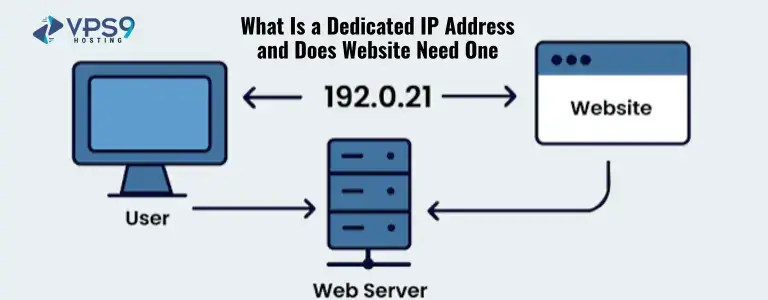
When launching a website, most people focus on choosing a domain name, selecting a hosting plan, and designing their pages. One important factor that often gets overlooked is the IP address your website uses.
Every website on the internet is connected to an IP address. Depending on your hosting plan, you may either share that IP with hundreds of other websites or have one exclusively assigned to your website. This is where understanding a Dedicated IP Address becomes important.
While not every website requires a dedicated IP, there are situations where having one can improve security, simplify remote access, enhance email reputation, and provide greater control over your hosting environment.
This guide explains what a Dedicated IP Address is, how it differs from a shared IP, its advantages, limitations, and whether your website truly needs one.
What Is a Dedicated IP Address?
A Dedicated IP Address is an Internet Protocol (IP) address assigned exclusively to a single website, server, or hosting account.
Unlike shared hosting environments where multiple websites use the same IP address, a dedicated IP belongs only to your website. No other websites share it.
Think of it like this:
- A shared IP is similar to an apartment building where many residents share the same street address.
- A dedicated IP is like owning your own independent house with a unique address.
This exclusive identity offers additional flexibility, management options, and security-related benefits for businesses with specific hosting requirements.
How Does an IP Address Work?
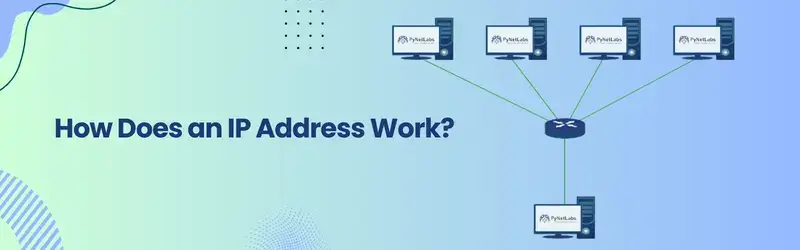
Every device connected to the internet has a unique identifier known as an IP address.
When someone enters your domain name into their browser:
- DNS translates the domain name into an IP address.
- The browser connects to that IP.
- The server responds by delivering your website.
Whether visitors see your domain or not, your website ultimately operates through its assigned IP address.
Shared IP vs Dedicated IP
| Feature | Shared IP | Dedicated IP |
|---|---|---|
| Used by Multiple Websites | Yes | No |
| Exclusive Ownership | No | Yes |
| Remote Server Access | Limited | Easy |
| Email Reputation | Shared | Independent |
| Custom Server Configuration | Limited | Better |
| Cost | Lower | Higher |
The biggest difference in Shared IP vs Dedicated IP is exclusivity. With a dedicated IP, you are not affected by the activities of neighboring websites.

Benefits of a Dedicated IP Address
Choosing a Dedicated IP Hosting plan can provide several practical advantages depending on your website’s purpose.
1. Better Email Reputation
Businesses sending newsletters, invoices, transactional emails, or marketing campaigns benefit from having their own IP.
Since no other websites share the IP:
- Sender reputation remains under your control.
- Lower risk of blacklisting.
- Better email deliverability.
- Improved trust with mail providers.
This is especially valuable for ecommerce stores and SaaS businesses.
2. Improved Remote Server Access
Many businesses connect directly to their servers using protocols such as:
- Remote Desktop (RDP)
- SSH
- FTP
- SFTP
A Dedicated IP Address allows secure direct access without depending on changing hostnames.
3. Better Control Over Your Hosting Environment
Businesses often need custom applications, firewall rules, or specific server configurations.
With a Dedicated IP for Website, managing these services becomes much easier because the IP belongs only to your hosting account.
4. Independent Website Reputation
When multiple websites share the same IP, poor activities from one website may affect the reputation of the entire IP.
Examples include:
- Spam
- Malware distribution
- Excessive email abuse
- Blacklisting
A dedicated IP reduces these risks because your website maintains its own identity.
5. Easier SSL and Security Management
Years ago, SSL certificates required dedicated IP addresses.
Today, technologies like Server Name Indication (SNI) allow SSL certificates on shared IPs.
However, businesses with custom SSL implementations, enterprise applications, payment gateways, or legacy systems may still prefer a dedicated IP.
6. Reliable Access During DNS Changes
When migrating websites or updating DNS records, accessing the website directly through its dedicated IP can simplify testing before switching domains.
Developers and system administrators frequently use this during deployments.
Common Uses of Dedicated IP Hosting
A Dedicated IP Hosting solution is commonly chosen for:
- Business websites
- Ecommerce stores
- SaaS platforms
- Corporate portals
- ERP systems
- CRM applications
- VPN services
- Email servers
- VPS hosting
- Dedicated servers
Does a Dedicated IP Improve SEO?
One of the biggest myths is that Google ranks websites higher simply because they have a dedicated IP.
The reality is different.
Google has confirmed that having a Dedicated IP Address is not a direct ranking factor.
SEO rankings depend on:
- High-quality content
- Website speed
- Mobile friendliness
- Technical SEO
- User experience
- Backlinks
- Core Web Vitals
A dedicated IP alone will not improve search rankings.
However, it can indirectly support SEO by improving server management, reducing security risks, and maintaining stable website performance.
Does a Dedicated IP Make Websites Faster?
Not automatically.
Website speed depends on factors such as:
- Server hardware
- CPU resources
- RAM
- SSD storage
- Network quality
- Caching
- CDN usage
- Website optimization
A Dedicated IP for Website does not increase processing power.
If you’re upgrading from shared hosting to VPS or dedicated hosting, performance improvements usually come from better server resources rather than the IP itself.
Is a Dedicated IP More Secure?
A dedicated IP can improve certain aspects of security but should not be considered a replacement for proper website protection.
A secure hosting environment should also include:
- Firewall protection
- Malware scanning
- SSL certificates
- Strong passwords
- Multi-factor authentication
- Regular software updates
- Website backups
A dedicated IP simply reduces exposure to risks caused by neighboring websites sharing the same address.

Who Should Use a Dedicated IP?
A dedicated IP is recommended for businesses that require additional flexibility and control.
Ecommerce Stores
Online stores processing customer information often benefit from dedicated infrastructure and independent email reputation.
Growing Businesses
Companies expecting higher traffic or planning future server upgrades may prefer dedicated IP hosting for scalability.
Developers
Web developers frequently require direct server access for deployment, testing, automation, and troubleshooting.
Agencies
Digital agencies managing multiple business applications often use dedicated IPs for client-specific environments.
Businesses Running Email Servers
Dedicated IPs help maintain consistent sender reputation and reduce email delivery issues.
When You Probably Don’t Need One
Not every website needs a dedicated IP.
A shared IP is usually sufficient for:
- Personal blogs
- Portfolio websites
- Small business sites
- Informational websites
- Landing pages
- Startup websites with limited traffic
Dedicated IP vs VPS Hosting
Many people confuse VPS hosting with dedicated IP addresses.
They are different concepts.
A VPS provides:
- Dedicated resources
- Virtual server environment
- Greater control
- Root access
A dedicated IP provides:
- Exclusive IP ownership
- Independent network identity
- Easier server management
Many VPS plans include a dedicated IP, but one does not automatically imply the other.
Things to Consider Before Buying a Dedicated IP
Before choosing one, ask yourself:
- Do I run business-critical applications?
- Do I host an email server?
- Do I require direct server access?
- Will I benefit from independent IP reputation?
- Do I need custom firewall or security configurations?
If the answer is yes to several of these questions, a dedicated IP may be a worthwhile investment.
Frequently Asked Questions
Is a Dedicated IP Address worth it?
It depends on your requirements. Businesses using email servers, remote access, custom applications, or enterprise hosting often benefit the most.
Does a Dedicated IP improve Google rankings?
No. Google does not use dedicated IP addresses as a ranking factor.
Can I install SSL without a Dedicated IP?
Yes. Modern SSL certificates work on shared hosting using Server Name Indication (SNI).
Is a Dedicated IP safer than a Shared IP?
It can reduce risks associated with sharing an IP with unknown websites, but overall security still depends on proper server management and security practices.
Can I upgrade later?
Yes. Most hosting providers allow websites to add a dedicated IP without rebuilding the website.
Final Thoughts
A Dedicated IP Address is not a mandatory requirement for every website, but it can be a valuable addition for businesses that need greater control, improved email reputation, secure remote access, and an independent online identity.
For personal blogs and small informational websites, a shared IP is usually more than sufficient. However, as your website grows and your technical requirements become more advanced, moving to Dedicated IP Hosting can offer operational benefits beyond basic website hosting.
Instead of choosing a dedicated IP simply because it’s available, evaluate your website’s goals, hosting environment, and long-term plans. Selecting the right hosting infrastructure based on actual business needs will provide more value than following common myths or assumptions.